+86-18927501869
- All
- Product Name
- Product Keyword
- Product Model
- Product Summary
- Product Description
- Multi Field Search
 English
Views: 1043 Author: Site Editor Publish Time: 2025-10-15 Origin: Site
From a wet wipes manufacturer's perspective, not all wet tissue wipes are created equal. While many products may look similar on the shelf, their performance, safety, and user experience depend heavily on how they are designed, formulated, and manufactured.
At the core, effective wet tissue wipes rely on three critical elements working together:
1. The nonwoven fabric
2. The liquid formulation
3. The manufacturing and quality control process
When any one of these elements is compromised, the wipe may fail to meet user expectations—whether that means tearing too easily, drying out quickly, irritating the skin, or underperforming during cleaning.
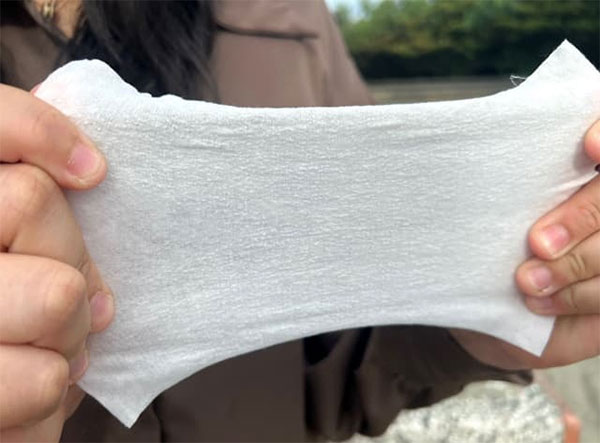
As an experienced wet wipes manufacturer, we know the nonwoven substrate is the backbone of every wipe. It determines how strong, soft, absorbent, and durable the wipe will be during use.
The most popular choice for premium wet tissue wipes. It offers excellent softness, strength, and absorbency, making it ideal for skin-contact applications such as baby wipes, personal hygiene wipes, and facial wipes.
These blends balance cost and performance, commonly used in household and industrial wipes.
Materials like bamboo fiber, lyocell, or wood pulp are increasingly used to meet sustainability and eco-label requirements in Europe and North America.
Choosing the right fabric is not just a technical decision—it directly affects customer satisfaction, repeat purchases, and brand reputation.
Many consumers assume wet tissue wipes are simply cloth plus water. In reality, the formulation is where much of the science happens.
A professional wet wipes manufacturer designs formulations based on the intended use of the wipe.
Forms the base of most formulations and must meet strict microbiological standards.
Help lift and remove dirt, oil, and contaminants from skin or surfaces.
Ingredients like aloe vera, glycerin, or vitamin E help prevent dryness and irritation.
Essential to prevent bacterial or mold growth throughout the product's shelf life.
Such as alcohol, chlorhexidine, or quaternary ammonium compounds for disinfecting wipes.
A well-balanced formula cleans effectively without damaging the skin barrier—one of the biggest concerns for today's health-conscious consumers.
One major pain point for buyers is inconsistency. This is where choosing the right wet wipes manufacturer makes a real difference.
Key Manufacturing Factors That Impact Quality
Automated, hygienic production lines
Strict raw material inspection
Controlled filling and saturation levels
Microbiological testing at every stage
Sealed, moisture-lock packaging systems
Without these controls, wet tissue wipes can suffer from uneven moisture levels, contamination risks, or a shortened shelf life.
For private-label brands and distributors, collaborating with a manufacturer that adheres to international quality standards, such as ISO, GMP, or FDA guidelines, is crucial for achieving long-term success.
The popularity of wet tissue wipes is driven by how effectively they solve everyday hygiene challenges.
• Hand cleaning when soap and water aren’t available
• Refreshing face and body after travel or workouts
•Gentle cleansing for sensitive skin
Parents rely on baby wipes that are:
• Alcohol-free
• Dermatologically tested
• Safe for frequent use
This category places extremely high demands on both formulation safety and fabric softness.
In medical and care settings, wet tissue wipes help reduce cross-contamination and support infection control protocols. Reliability and compliance are non-negotiable here.
Specialized wipes remove grease, oil, ink, and industrial residues while protecting workers’ hands—something regular paper towels simply can’t do.
Modern consumers ask smarter questions than ever before:
• Are these wipes safe for daily use?
• Will they irritate sensitive skin?
• Are the ingredients transparent?
A responsible wet wipes manufacturer answers these concerns through:
• Clear ingredient labeling
• Dermatological testing
• Honest marketing claims
• Regulatory compliance in target markets
Trust is built not through claims, but through consistency and transparency.
Sustainability has become one of the most important topics in the wet wipes industry.
Key challenges include:
• Plastic-containing nonwoven fabrics
• Improper disposal of wipes
• Environmental impact of packaging
Forward-thinking wet wipes manufacturers are investing in:
• Biodegradable nonwoven materials
• Plastic-free wipe options
• Reduced plastic packaging
• Clear disposal instructions
Eco-friendly wet tissue wipes are no longer a niche—they’re quickly becoming an expectation in many global markets.
Behind every high-quality pack of wet tissue wipes is a manufacturer that understands materials, formulations, regulations, and real-world usage. As a professional wet wipes manufacturer, we focus on more than just production—we focus on long-term performance, safety, and trust.
What sets a reliable manufacturer apart is the ability to offer:
• Customized formulations for different markets and applications
• Consistent nonwoven fabric quality and moisture control
• Strict microbiological and stability testing
• OEM and private-label solutions tailored to your brand
• Compliance with global hygiene and safety standards
Whether you are launching a private-label brand, expanding an existing product line, or sourcing wet tissue wipes for commercial use, working with an experienced manufacturer helps reduce risk, control costs, and deliver better products to end users.
Yes, most wet tissue wipes are safe for daily use when they are formulated with skin-friendly, dermatologically tested ingredients. High-quality wipes produced by a professional wet wipes manufacturer are pH-balanced and designed to minimize skin irritation. For sensitive skin, alcohol-free and fragrance-free options are recommended.
Wet tissue wipes are pre-moistened with a cleaning solution that helps remove dirt, bacteria, and oils more effectively than dry tissues. Dry tissues mainly absorb moisture, while wet tissue wipes actively clean and refresh the skin or surfaces.
Not all wet wipes are biodegradable. Traditional wipes may contain plastic fibers. However, many modern wet wipes manufacturers now offer biodegradable and plant-based wet tissue wipes made from bamboo, viscose, or wood pulp to reduce environmental impact.
Wet tissue wipes are a convenient alternative when soap and water are not available. While they help remove dirt and germs, proper hand washing is still recommended whenever possible—especially in healthcare or food-handling environments.
Look for a wet wipes manufacturer with:
• Proven production experience
• International certifications (ISO, GMP, FDA compliance)
• Transparent ingredient disclosure
• OEM and private-label capabilities
• Strong quality control and testing systems
A reliable manufacturer ensures consistent quality, safety, and long-term supply stability.
Wet tissue wipes have transformed how people approach hygiene—making cleanliness faster, easier, and more accessible than ever before.
Backed by material science, formulation expertise, and responsible manufacturing, today’s wet wipes are far more advanced than most consumers realize. And as hygiene standards continue to rise globally, the role of the wet wipes manufacturer becomes increasingly important in shaping product quality, safety, and sustainability.
For consumers, businesses, and brands alike, understanding how wet tissue wipes are made—and who makes them—leads to better choices and better hygiene outcomes.
Related articles:
Sywipe seizes every opportunity to use high-quality resources, including peer-reviewed research, to support the facts in our article. Learn more about our factory and how to keep the content accurate, reliable, and trustworthy.
Discover Wipes Manufacturers in 2023: Insights and Trends
How to Use Pet Wipes for Clean Dogs and Cats?
Our Customers Always Come First
Trust is the Foundation of Our Service
sales@clean-wipe.com
sywipe@clean-wipe.com