+86-18927501869
- All
- Product Name
- Product Keyword
- Product Model
- Product Summary
- Product Description
- Multi Field Search
 English
Views: 1203 Author: Allen Yi Publish Time: 2025-12-29 Origin: Site
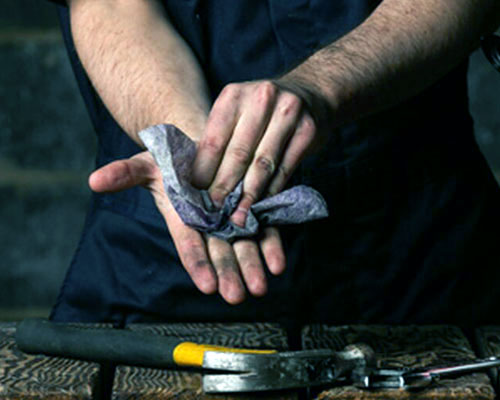
Industrial workshops are environments where heavy-duty work is performed daily—oil refineries, auto repair shops, printing facilities, chemical plants, and manufacturing lines all face constant exposure to contaminants like grease, ink, oil, adhesives, and other stubborn residues. Traditional cleaning tools—rags, towels, and water—frequently fall short in these settings.
This is where industrial hand wipes have transformed the cleaning landscape. Developed by specialized industrial wipes manufacturers, these wipes combine advanced formulations, ergonomic designs, and environmentally friendly materials to address the unique challenges of modern industrial environments.
In this comprehensive guide, we will explore how industrial hand wipes work, why they outperform traditional rags, and what to consider when selecting the right wipes for your workshop.
In any workshop, cleanliness is more than just aesthetics—it impacts safety, productivity, and equipment longevity. Common challenges include:
• Heavy Grease and Oil: Machinery and tools are frequently coated in oil, hydraulic fluid, or lubricants.
• Ink, Paint, and Adhesives: Printing presses, painting stations, and assembly lines often leave residues that are difficult to remove.
• Chemical Contaminants: Solvents, coolants, and other industrial chemicals can damage skin or surfaces if not handled properly.
• Microbial Growth: Shared tools and equipment can become breeding grounds for bacteria if not cleaned correctly.
Traditional cleaning solutions often fail to remove these contaminants efficiently, leading to longer downtime, increased health risks, and higher maintenance costs.
Industrial hand wipes are specially designed to address these challenges. Unlike ordinary paper towels or rags, they combine multiple features that make cleaning faster, safer, and more effective:
• Advanced cleaning formulations tailored to dissolve oil, grease, and ink.
• Durable, lint-free materials that trap contaminants without scratching surfaces.
• Antibacterial agents to minimize microbial contamination.
• Compatibility with additional solvents for tough residues.
• Environmentally conscious options to reduce waste and pollution.
By understanding these design elements, it becomes clear why industrial wipes are becoming the standard in modern workshops.
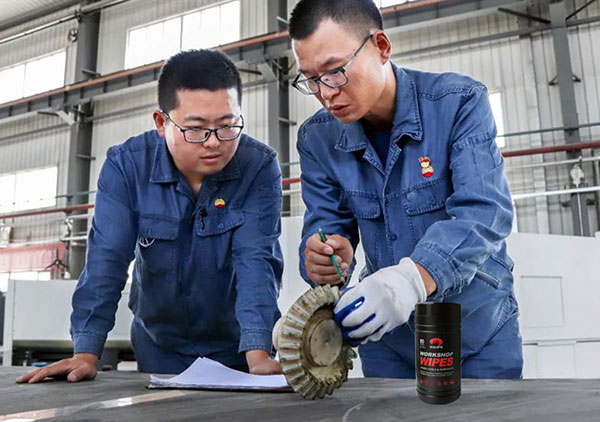
Industrial hand wipes often come pre-soaked in highly effective cleaning solutions. Depending on the manufacturer, these may include:
Solvent-based cleaners to dissolve grease, oils, and adhesives.
Detergent-based formulas for lifting dirt, ink, and particulate matter.
Emollients such as aloe vera or vitamin E to protect the skin during repeated use.
These solutions are designed to provide rapid cleaning without damaging machinery or skin. The combination of chemical action and physical wiping ensures contaminants are fully removed instead of being spread around.
The fabric of the wipe itself plays a crucial role:
• Synthetic fiber blends combine absorbency and scrubbing capability.
• Textured surfaces trap particles and grease for more effective removal.
• Dual-sided designs allow one side for scrubbing tough stains and the other for capturing debris.
High-quality wipes are also lint-free, which prevents tiny fibers from contaminating precision equipment—a critical factor in electronics, automotive, and printing industries.
Industrial wipes are non-abrasive, ensuring that surfaces, tools, and delicate machinery parts are not scratched or damaged during cleaning. This is especially important in workshops where maintaining equipment integrity is essential.
Shared tools and surfaces can harbor bacteria. Many industrial hand wipes are infused with antibacterial agents to reduce microbial contamination. This protects workers from potential infections and helps maintain a hygienic work environment.
While pre-soaked wipes handle most cleaning tasks, they are often compatible with stronger solvents for more challenging stains. Workers can apply additional industrial-grade cleaning agents to wipes for a more aggressive approach, without risking damage to hands or surfaces.
Modern industrial wipes are increasingly designed with sustainability in mind. Options include:
• Biodegradable fibers that break down naturally after disposal.
• Recyclable packaging to reduce industrial waste.
• Plant-based cleaning agents that are effective yet environmentally safe.
This allows workshops to maintain high cleaning standards without negatively impacting the environment.
Historically, workshops relied on rags, towels, and water for cleaning. While cheap and widely available, traditional rags have several drawbacks:
• Contamination Risk: Rags often harbor bacteria, chemicals, and oil residues.
• Inefficiency: They spread contaminants instead of fully removing them.
• Skin Irritation: Repeated contact with chemicals on rags can cause dermatitis or other skin conditions.
• Waste Management: Dirty rags require washing or special disposal, adding labor and costs.
By comparison, industrial hand wipes offer:
• Versatility: Effective on water, oils, chemicals, and other industrial residues.
• Efficiency: Pre-soaked and ready to use, minimizing downtime.
• Safety: Skin-friendly and designed for repeated use without irritation.
• Hygiene: Single-use wipes reduce cross-contamination and microbial growth.
Industrial hand wipes are engineered to remove grease, ink, paint, and grime from hands, tools, and machinery. Pre-soaked solutions ensure a fast and effective clean, while textured surfaces break down stubborn contaminants.
Many wipes feature:
• Textured side: Breaks down tough stains gently yet effectively.
• Smooth side: Captures debris and residues for a complete clean.
This dual functionality ensures no residue is left behind, improving both hygiene and work efficiency.
Workers can pull wipes one at a time, reducing waste and ensuring consistent hygiene. Unlike rags that must be washed or replaced frequently, wipes provide a quick, reliable solution.
Ingredients like aloe vera and vitamin E protect the skin, preventing dryness and irritation even after repeated use. This is crucial in industrial environments where workers handle chemicals, oils, and solvents daily.
In assembly lines or high-production environments, heavy-duty wipes are essential. They handle rapid spills, grease buildup, and chemical residues, ensuring that both hands and equipment remain clean between tasks.
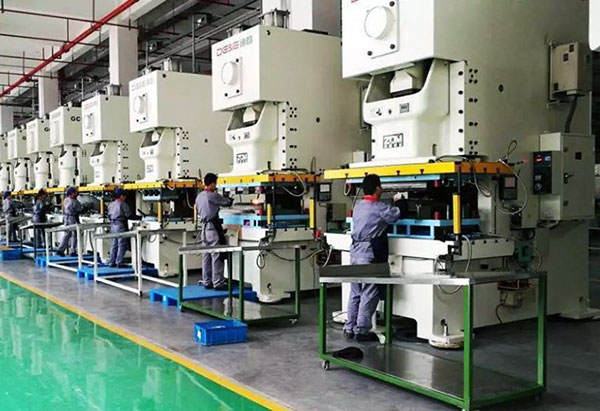
Industrial hand wipes are versatile across multiple sectors:
• Automotive Workshops: Remove engine oil, grease, and brake fluids from hands and tools.
• Manufacturing Facilities: Clean ink, adhesives, and paint from machinery.
• Printing Presses: Maintain precise machinery by removing ink spills without lint contamination.
• Food Processing Plants: Sanitize hands and tools to prevent cross-contamination.
• Chemical Plants: Safely clean surfaces exposed to solvents and other chemicals.
By integrating wipes into daily workflows, industries can improve both cleanliness and productivity.
When choosing industrial wipes, consider:
• Cleaning Power: Ensure the wipe’s solution matches the contaminants present.
• Material Quality: Opt for durable, lint-free fibers.
• Skin Safety: Look for wipes enriched with moisturizing agents.
• Environmental Impact: Consider biodegradable or plant-based options.
• Compatibility: Confirm that wipes can work with additional solvents if needed.
Working with reputable industrial wipes manufacturers guarantees product quality, safety, and consistent supply.
• Sustainability: Biodegradable wipes and eco-friendly solvents are becoming standard.
• Antibacterial and Antiviral Wipes: Increased focus on hygiene in shared workspaces.
• Ergonomic Packaging: Easy-to-use dispensers and pop-up boxes improve workflow efficiency.
• Custom Formulations: Manufacturers now offer wipes tailored for specific industries and contaminants.
A1: Most wipes are safe on metals, plastics, and painted surfaces. Check manufacturer guidance for delicate equipment.
A2: Yes. High-quality wipes are enriched with aloe vera, vitamin E, and other skin-friendly ingredients.
A3: While slightly more expensive per unit, the efficiency, hygiene, and reduced labor costs often result in overall savings.
A4: Many wipes are compatible with additional solvents, allowing for tough stain removal without damaging the wipe or surface.
A5: Modern biodegradable wipes maintain high cleaning performance while reducing environmental impact.
The adoption of industrial hand wipes reflects a shift toward safer, more efficient, and environmentally conscious industrial cleaning practices. By combining advanced formulations, durable lint-free materials, and skin-safe ingredients, these wipes offer a superior alternative to traditional rags.
For factories, workshops, and industrial facilities, choosing the right wipes from trusted manufacturers can improve operational efficiency, protect workers’ health, and maintain a clean, hygienic work environment.
Investing in quality industrial hand wipes is not just a cleaning decision—it's a strategic move that supports productivity, safety, and sustainability.
Related articles:
Sywipe seizes every opportunity to use high-quality resources, including peer-reviewed research, to support the facts in our article.
Learn more about our factory and how to keep the content accurate, reliable, and trustworthy.
Why Industrial Wipes are Crucial for Cleaning Dirty Hands in Industrial Settings?
How to Choose Industrial Cleaning Wet Wipes?
How to Easily Remove Acrylic Paint with Industrial Cleaning Wipes?
Our Customers Always Come First
Trust is the Foundation of Our Service